
The Connection Between Brain Fog and Food

During the end of the year, many celebrate holidays that involve fun, festivities, and food. In the aftermath of holiday meals, many experience brain fog. For individuals already experiencing cognitive challenges, understanding how food may impact clarity, energy, and focus can provide helpful insights into how to better support overall cognitive well-being.
What Is “Food-Related” Brain Fog?
Food-related brain fog refers to a dip in mental sharpness that can occur after eating. Clients may report:
- Trouble concentrating
- Slower thinking
Feelings of tiredness or heaviness - Difficulty recalling information
- A general “mental haze”
While this “food-coma” experience is usually temporary, it can compound with existing cognitive deficits. This may especially hold true for individuals with ADHD, executive functioning challenges, chronic illness, or high stress.
How Can Food Cause Brain Fog?
1. Blood sugar spikes & crashes
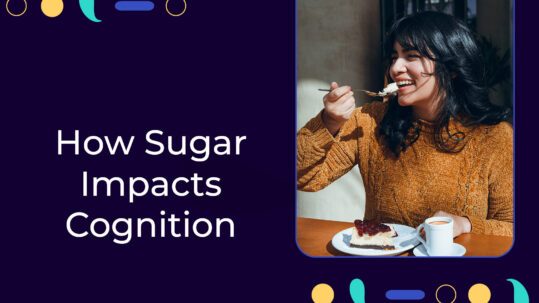
Large quantities of foods high in sugar and simple carbs can lead to quick increases in blood glucose followed by a steep drop. This rapid swing can leave you feeling tired, unfocused, or irritable.
2. Heavy or high-fat meals
Thanksgiving classics such as creamy casseroles, gravy, and fried appetizers require more energy to digest. This, in turn, can divert bodily resources away from cognitive alertness.
3. Food sensitivities
Some individuals experience cognitive symptoms after consuming foods containing gluten, dairy, artificial sweeteners, or certain additives.
4. Dehydration
With the rush of holiday prep, travel, and a table full of salty foods, hydration is often overlooked. Even mild dehydration impacts focus, attention, and memory.
5. Poor sleep
The holidays often disrupt our routines, which can affect sleep patterns. Travel, late-night gatherings, and holiday stress can all contribute to shifts in routine and poor sleep.
How Clinicians, Parents, and Caregivers Can Support Clients
1. Encourage balanced plates
Combining protein, fiber, and healthy fats helps support steady blood sugar and reduce energy crashes.
2. Promote mindful eating
Slow eating helps with digestion and reduces the “post-meal slump.” Try using sensory cues: noticing taste, texture, and fullness signals.
3. Hydration breaks
Encourage clients to drink water before and after meals
4. Movement after meals
A light neighborhood walk, gentle stretching, or helping clean up can improve digestion and boost alertness.
5. Identify individual triggers
Help clients track which foods worsen fog. A simple checklist or small food journal around the holidays can be eye-opening.
6. Normalize rest
Holiday fatigue is real. Encourage clients and families to build in downtime and avoid over-scheduling.
In Conclusion…
Food is meant to be enjoyed! The holiday season is centered around human connection and celebration. Food can bring us together. With increased awareness and support strategies, clients and families can reduce the impact of food-related brain fatigue and remain more cognitively grounded throughout the holiday season.
A balance of nutrition, self-regulation strategies, and cognitive practice and pacing sets the stage for a more joyful way to spend the holidays.