
Increasing Home Exercise Programming Compliance

Home programs are a cornerstone of effective therapy. Attending a few sessions a week within outpatient or inpatient therapy is unfortunately not enough – doing the work on their own time makes a big impact in a person’s long-term progress. However, a common problem clinicians face client compliance with home exercise programs (HEPs).
Decreased client compliance often reflects real-world barriers such as cognitive fatigue, busy schedules, emotional overload, and unclear expectations. By gaining a greater understanding of these challenges and addressing them, clinicians can create home programs that feel manageable, meaningful, and motivating for their clients.

Why Home Program Compliance Matters
Consistent home programming helps clients:
- Reinforce skills learned during therapy sessions
- Promote neuroplasticity and skill retention
- Improve functional independence
- Increase confidence and self-efficacy
- Accelerate overall progress toward therapy goals
When home programs are inconsistent or overwhelming, clients may experience slower progress or feel discouraged about their recovery journey. So, how do we overcome these barriers?
Common Barriers to Home Program Completion
Let’s look into common reasons why clients may struggle with follow through.
1. Cognitive Overload
Clients managing attention, memory, or executive functioning challenges may forget tasks, feel overwhelmed, or struggle to initiate activities independently.
2. Emotional and Motivational Factors
Anxiety, depression, fatigue, or frustration can reduce engagement and make home exercises feel burdensome. These are common symptoms when working through an injury or traumatic event, influencing therapy carryover in the process!
3. Lack of Clarity or Structure
Clients may not fully understand how to complete exercises, how often to practice, or why the activity matters. Practicing what home exercises look like in-clinic will facilitate carryover at home. Also, providing handouts with written and video instructions helps accommodate multiple learning styles.
4. Time Constraints and Competing Responsibilities
Work, school, caregiving responsibilities, and medical appointments can limit available time and energy. Making home programming a part of one’s routines and habits is tricky, yet important. Setting aside a particular time or setting a reminder can help.
5. Low Perceived Relevance
Clients are more likely to complete home programming when they see how it connects to meaningful daily activities and personal goals. Have clients discuss what is important to them, and use a teach-back method to help them understand the “why” behind what they are doing.
Strategies to Increase Home Program Compliance
1. Keep Programs Simple and Realistic
Less is often more. Assigning too many tasks can overwhelm clients and reduce completion rates.
Consider:
- Assigning 1–3 targeted exercises at a time
- Starting with shorter practice durations, such as 10-15 minutes
- Gradually increasing difficulty and time commitment
2. Connect Exercises to Functional Goals
Clients are more motivated when they understand how exercises support daily life. Clearly explain how each task relates to meaningful outcomes.
Examples:
- “This activity supports remembering appointments.”
- “This exercise helps with staying focused during conversations.”
- “This task builds skills needed for managing medications or finances.”
3. Build Home Programming Into Daily Routines
Integrating exercises into existing habits increases follow-through. Encourage clients to pair exercises with daily activities.
Examples include:
- Completing exercises after morning coffee
- Practicing tasks before bedtime routines
- Linking exercises to meal preparation or leisure time
4. Use Written and Visual Supports
Clear instructions improve independence and reduce confusion.
Helpful supports may include:
- Step-by-step written instructions
- Visual demonstration videos or pictures
- Checklists or tracking sheets
- Digital reminders or scheduling tools
5. Collaborate on Goal Setting
Clients are more invested when they help shape their treatment plan. Ask clients:
- What feels manageable right now?
- What time of day works best for practice?
- What activities feel most meaningful or motivating?
6. Monitor Progress and Provide Feedback
Regularly reviewing home program performance reinforces accountability and motivation.
Clinicians can:
- Celebrate small successes
- Review progress data together
- Adjust difficulty levels when needed
- Problem-solve barriers collaboratively
7. Address Emotional and Energy Factors
Recognize that clients may experience fluctuations in energy, mood, and cognitive stamina. Encourage flexibility and self-compassion when needed.
Consider:
- Offering alternative “lighter” versions of exercises
- Encouraging rest breaks during longer tasks
- Validating challenges while reinforcing achievable expectations
Supporting Caregivers and Family Involvement
Caregiver support can significantly improve compliance. Educating caregivers about the purpose of home programming and providing simple guidance can strengthen consistency and carryover.
How Digital Cognitive Tools Can Support Home Programming
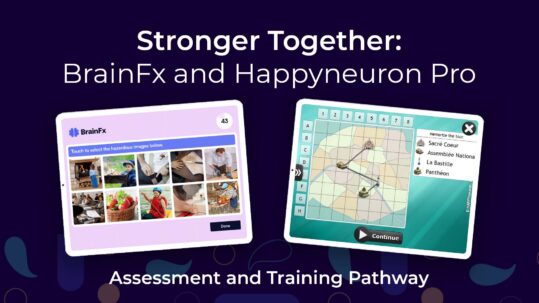
Structured digital platforms like Happyneuron Pro can help simplify home program delivery by providing:
- Guided exercises with clear instructions
- Automatic tracking of performance and participation
- Built-in reminders and scheduling options
- Engaging and interactive task formats
- Data that clinicians can review and adjust over time
When Compliance Challenges Persist
If clients continue to struggle with follow-through, it may be helpful to reassess:
- Cognitive load of assigned activities
- Emotional or environmental stressors
- Clarity of instructions and expectations
- Relevance of exercises to personal goals
- Level of caregiver or support system involvement
Adjusting the home program based on these factors can improve participation and long-term success.
Final Thoughts
Home exercise programming is a powerful tool for promoting long-term progress and independence, but it must be tailored to each person’s abilities and lifestyle. By focusing on provider-client collaboration, simplicity, and functional relevance, clinicians can increase compliance and help clients feel a sense of ownership in their rehabilitation journey. Supporting goal attainment outside of individual sessions helps build sustainable skills that extend into daily life.