
How Alcohol Impacts Cognition Over Time

The majority of adults drink. In 2024, around 85% of people 21 and older reported having drunk alcohol at some point in their lifetime. While having a drink in moderation is not likely to cause serious health issues, regular or heavy drinking has been found to impact cognition and brain health over time. Even though alcohol is widely accepted around the world as socially acceptable to consume and fine in moderation, heavy alcohol use negatively affects physical and mental well-being, as well as the functional health of the brain.
Your brain on alcohol
When alcohol enters the body, it is absorbed through the stomach lining into the bloodstream. It takes only five minutes for alcohol to reach the brain, and it causes disruption in information processing and the communication from your brain to the rest of your body. Alcohol slows communication between neurons, the nerve cells in your brain. This causes the common effects of intoxication, such as slurred speech, slowed reflexes, impulsivity, and impaired memory.
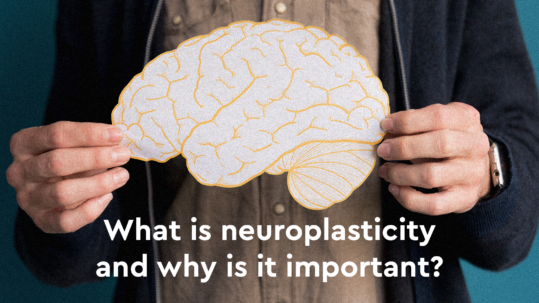
Because it is a toxin to the body, alcohol can also cause chronic inflammation and damage to brain cells, sometimes beyond repair. While some brain cell damage and death can be permanent, others can recover through neuroplasticity, a process in which existing neurons branch out to compensate for the functions lost to dead cells.
Long-term cognitive impact
Unfortunately, alcohol related brain damage is a common occurrence for those who drink more heavily. Some long-term effects include:
- Shrinkage of the hippocampus: damage to this area of the brain, whose function is to consolidate memories and learning, can lower memory performance.
- Prefrontal cortex damage: this can increase impulsivity, decrease attention, cause disorganized thinking, and impair decision making.
- Cerebellum impairment: can cause issues relating to balance, speech, and coordination
- Impact on limbic system: can cause loss of emotional regulation, as well as an increase in anxiety, depression, aggression, irritability, and mood swings
Studies have also shown that middle-aged and older adults with low to moderate alcohol consumption perform better in cognitive performance testing than those who drank more.
Alcohol-related brain damage
Alcohol-related brain damage (ARBD) is any brain damage that is caused by the overuse of alcohol. Two types of ARBD that we will be discussing are Alcohol-Related Dementia and Wenicke-Korsakoff Syndrome.
Alcohol-related dementia
Alcohol-related dementia (ARD) is a broad term encompassing various cognitive and neurological impairments caused by prolonged heavy alcohol consumption. It results not only from the harmful effects of alcohol on the body but also from malnutrition. Long-term, heavy drinking can cause vitamin B1 (thiamine) deficiency. This deficiency can starve the brain of energy and, over time, damage the brain, nerves, and heart. Thiamine deficiency, coupled with long-term heavy alcohol use and alcohol-related brain damage, all contribute to ARD.
Symptoms of this include:
- Difficulty remembering names, facts, faces, as well as impacting short – and long – term memory
- Impaired information processing and judgement
- Difficulty choosing the right words and communicating
- Lack of spatial awareness
- Increase in mood swings, aggression, paranoia, and hallucinations
Wernicke-Korsakoff Syndrome
Wernicke-Korsakoff Syndrome is a brain disorder specifically related to vitamin B1 deficiency. There are two stages of this syndrome. Stage 1 is Wernicke’s Encephalopathy, the acute phase of this syndrome.
Symptoms of this phase include:
- Disorientation and confusion
- Muscle weakness
- Rapid eye movements and drooping eyelids
- Tremors and unsteady walking
- Delirium and agitation
Stage two, Korsakoff’s Psychosis, is the chronic phase of this disorder. Around 80-90% of people who experience Wernicke’s Encephalopathy will develop Korsakoff’s Psychosis. Symptoms include:
- Severe memory loss
- Trouble learning new things and forming new memories
- Hallucinations
- Confabulation (filling in memory gaps with false information)
- Disorientation of time and place
Treatments for ARBD
Abstaining from alcohol and maintaining a healthy diet with thiamine-replacement therapy is a cornerstone of effective long-term treatment. After beginning treatment, patients often experience improvements in memory and coordination within weeks of starting.
Experts recommend heavy drinkers and at-risk individuals take thiamine and other vitamin supplements under medical supervision. Since WKS results from thiamine deficiency, high-dose thiamine can effectively reverse or prevent symptoms, especially early on. Raising thiamine levels can reduce confusion and improve coordination, eye function, and memory in patients with ARBD.
With proper treatment and ongoing support, ARBD can improve over time. Some individuals recover within a few months, while others may take several years to regain independence. After withdrawal from alcohol, it is crucial to continue receiving support to prevent relapse.
Resources
National Institute on Alcohol Abuse and Alcoholism (NIAAA) collects and carries out research on how alcohol use affects the health and overall well-being.
The Alzheimer’s Association offers information on Alzheimer’s disease and other dementias, as well as assistance in finding local support services. Call the 24/7 Helpline at 800.272.3900.
Family Caregiver Alliance (FCA) offers information about Wernicke-Korsakoff syndrome on its website. FCA provides programs for caregivers to support families and friends caring for loved ones with chronic, disabling health conditions. Call FCA at 800.445.8106.
Conclusion
Alcohol impacts cognition both immediately and long-term. Moderate drinking may not cause issues for some, but heavy use can impair memory, attention, decision-making, emotional regulation, and coordination. Over time, it can lead to serious conditions like alcohol-related dementia and Wernicke-Korsakoff Syndrome, especially with poor nutrition and thiamine deficiency. Early treatment and support can help recover some damage. You can protect your brain health by making informed choices and addressing symptoms like memory loss, confusion, or impaired thinking.