
How ACEs Can Impact Cognition Throughout Life

Countless experiences shape our brains throughout our lives. Sadly, individuals who experience adversity in childhood may face more cognitive difficulties as their brains develop. However, there is hope for rebuilding impacted cognitive skills, along with caring for mental health. In this article, we’ll explore what an ACE (Adverse Childhood Experience) Score is, how these experiences affect cognition, and strategies to support cognitive and mental health in adulthood after these experiences.

What is an ACE Score?
An ACE score measures the types of traumatic experiences that an individual had in their childhood. A higher ACE score indicates that the individual has had multiple types of ACEs, and is therefore at higher risk for conditions such as alcoholism or depression, which may lead to cognitive impairment.
The questionnaire to measure an ACE score assesses for the following events:
- Physical neglect
- Emotional neglect
- Physical abuse
- Emotional abuse
- Sexual abuse
- Alcohol or drug abuse by a parent
- Mentally ill parent
- Divorce
- Incarceration of a parent
- Childhood Domestic Violence (this includes any domestic violence in the home, even if not perpetrated against the child)
How Do Adverse Childhood Experiences Impact Cognition?
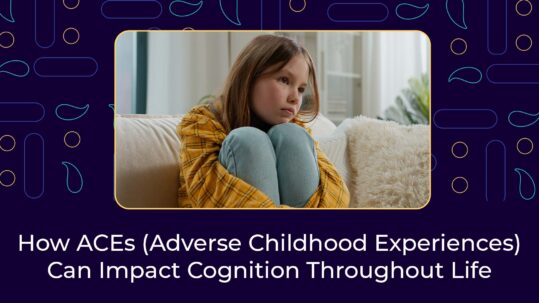
Experiencing chronic stress in childhood can impair brain development. Areas contributing to attention, learning, memory, and emotion regulation may be impacted, as the child’s brain is essentially becoming wired to monitor their environment and focus on survival, rather than seeking outward towards learning and growth. Understandably, this can lead to trouble with attention and learning in school, as well as socializing.
Experiencing adversity can also lead to conditions in adulthood, such as alcoholism, drug abuse, depression, anxiety, and poor physical health. These conditions can lead to further cognitive impairments.
However, it’s very important to understand that intervention can make all the difference. When children are experiencing adverse conditions, receiving support can change the course of their lives. If a child has one steady and caring adult in their life, their brain can work on recovering, leading to improved cognitive abilities. And remember, there is always hope. Beyond childhood, there are strategies that can help to strengthen your cognitive skills and mental health as well.
Strategies for Cognitive and Mental Health
For Children
If you know or work with children who are experiencing ACEs, there are strategies you can use to help them.
- Be the adult who cares. An adult who offers consistent support and a healthy, positive relationship can make a world of difference in a child’s life. Having one supportive adult is shown to improve outcomes for children.
- Seek counseling for the child. Children who experience ACEs, but are taught adaptive strategies like emotion regulation, are likely to have better outcomes.
- Ensure that educators and other responsible adults in the child’s life are aware of their situation. They can offer support and work with the child on cognitive and social skills they may be struggling with.
For Adults
As an adult, if you recognize that you have survived ACEs, and are looking to address the potential health outcomes, you aren’t alone. There are many people and strategies that can help. It all starts with reducing your stress and learning adaptive behaviors. Here are a few examples:
- Seek counseling. This step takes high priority, because a counselor can provide numerous strategies and continued support as you heal and work on your health.
- Lean into self-care practices. Getting sleep, practicing mindfulness, working on healthy eating, and getting exercise all contribute to improving cognitive and mental health.
- Spend time with supportive people. Be discerning in your friendships and relationships. Sometimes, we give more of ourselves than necessary with people who may not be healthy for us. Work on spending more time with the people who truly support you, and less time with anyone who drags you into old patterns.
Conclusion
As children grow up, many sadly have their learning and growth interrupted by adverse experiences. However, there are strategies and support available to help them heal and achieve their goals in the future. Offering support to children who have experienced ACEs, and seeking strategies to heal from one’s own adverse experiences in adulthood can make all the difference in the world.