Experiencing a stroke is a major life event. A stroke may cause someone to lose cognitive and physical abilities, such as not being able to communicate or use one side of their body. Depending on where the lesion occurs, some people may experience the inability to control their emotions which can cause them great distress. Depression post-stroke is very common, owing to different factors. In this blog post, we discuss the frequency, factors, and potential remedies for post-stroke depression.

The role of nutrition on brain health is a growing area of research. In elderly people, little research has been conducted on dietary patterns. But that doesn’t mean the dietary patterns from younger individuals cannot be implemented into older adults. There are two main types of dietary patterns, healthy and unhealthy. Healthy dietary patterns are those that consist of regular consumption of healthy fats, lean proteins, antioxidant rich foods, and fiber from fruits, vegetables, and whole grains.

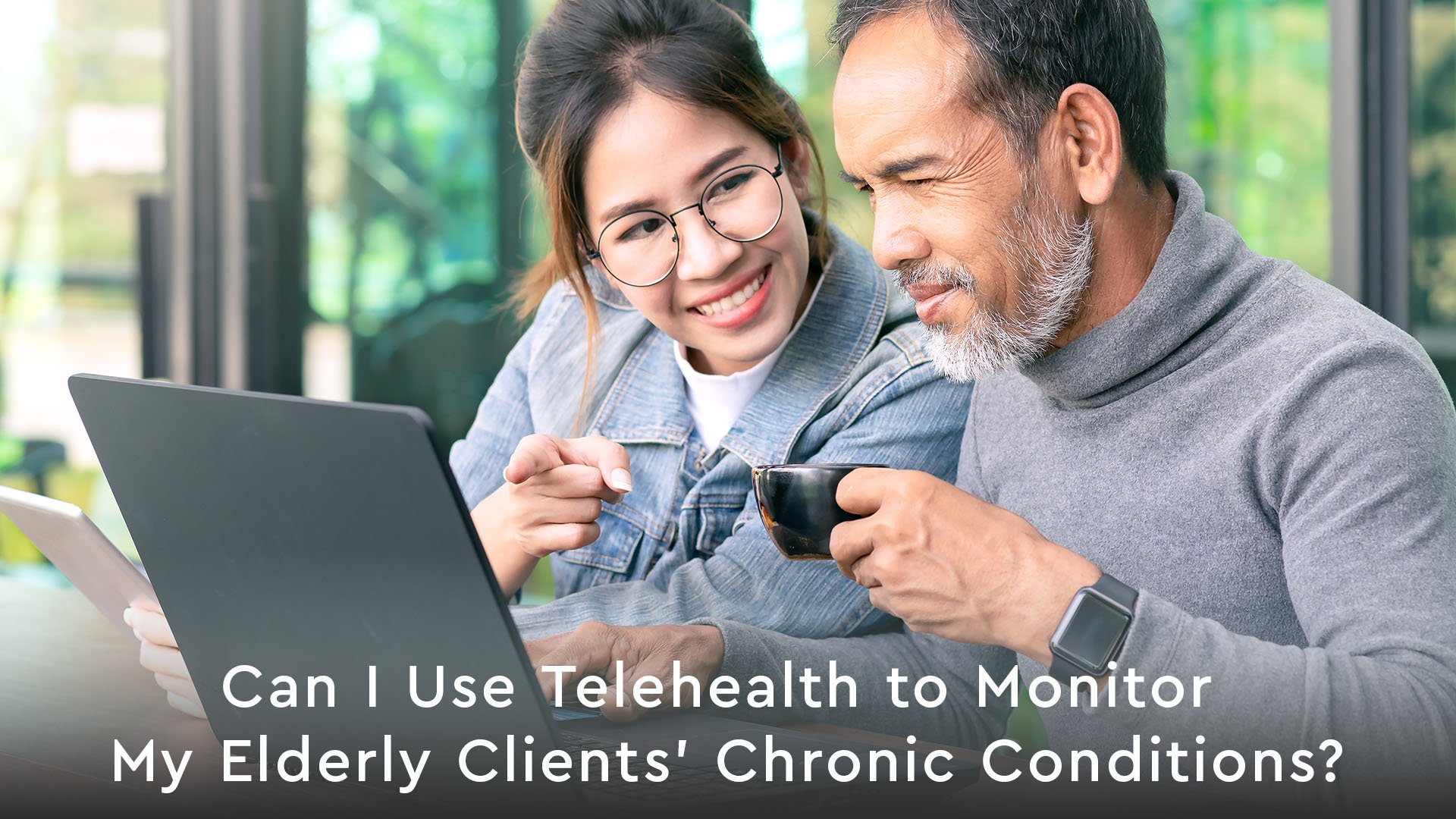
Yes, you can! This blog post will tell you why. Telehealth and remote therapy options are becoming increasingly popular as the COVID-19 crisis continues. Seniors are among the most vulnerable people that could face fatal consequences of contracting the virus. Telehealth has been shown to be effective in managing chronic health conditions for elderly people while keeping them out of harm’s way. In this blog post, we show the research supporting and explaining how telehealth can be used to effectively manage chronic health conditions in elderly people.

While exercising regularly promotes physical health, exercising may also provide cognitive benefits. Specifically, attention has been drawn to the potential clinical implications of moderate-intensity exercise for rehabilitation, physical, and mental health. In this blog post, we discuss and elaborate upon the clinically studied benefits of exercise and why clinicians should encourage their clients to perform aerobic exercise routines in their daily lives.