Working memory is a complex cognitive function that consists of three skills: reordering, updating, and dual processing incoming information. Clinical providers and researchers are trying to better understand which working components of working memory aren’t working in youth with ADHD, as youth with ADHD are likely to struggle academically and socially. A research study by Fosco et. al (2020) revealed that children with ADHD struggle most with reordering information, but not dual processing. In this article, we discuss which working components of working memory aren’t working in youth with ADHD.

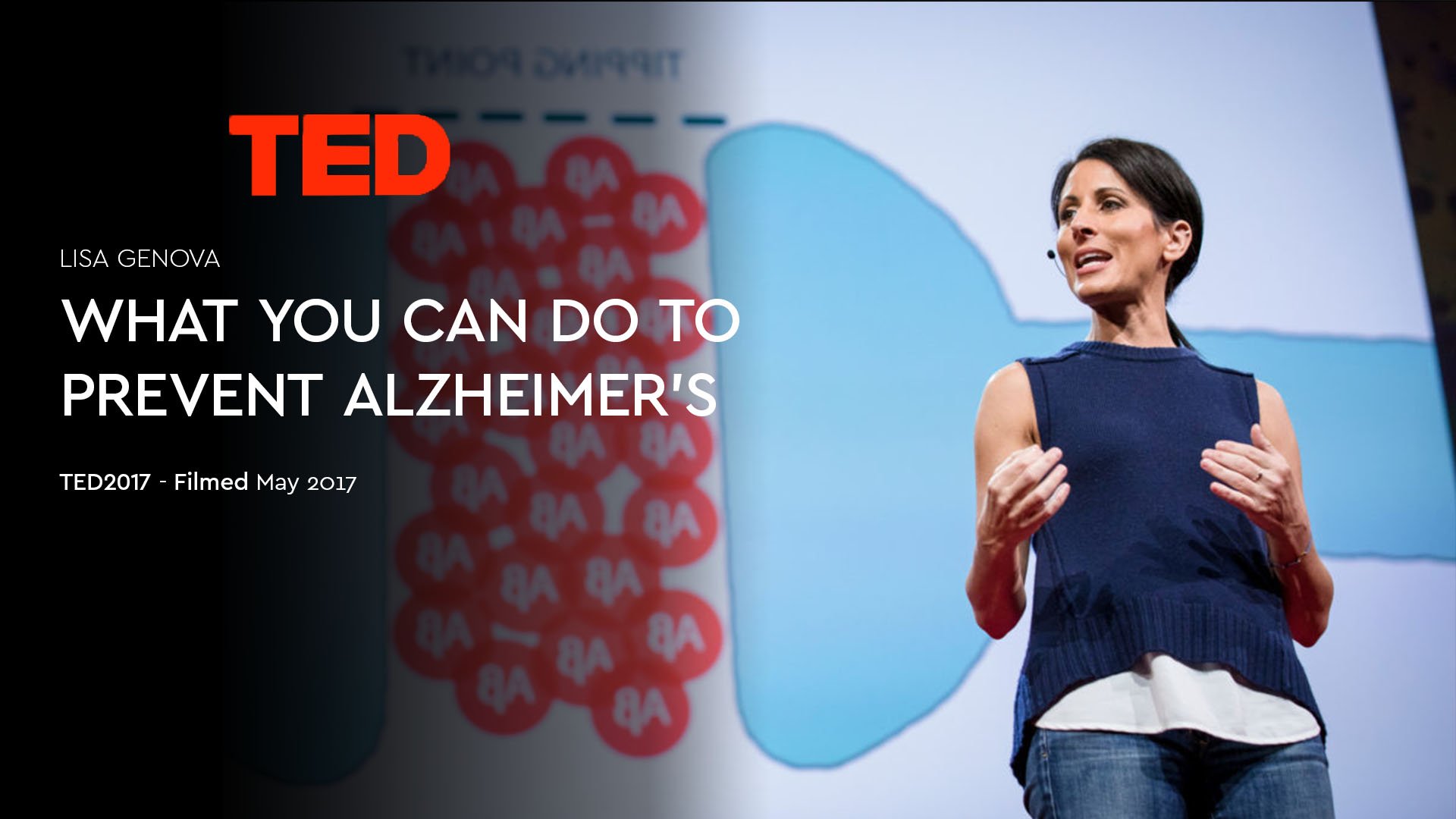
Preventative health involves manageable changes that people can implement into their everyday lives. Some ways people can actively prevent Alzheimer’s disease include proper sleep hygiene, getting enough physical activity, and eating a diet that is rich in healthy fats and antioxidants but low in sugar are some effective and well studied lifestyle changes that adults can implement in their lives today. In addition, helping your clients stay cognitively sharp and stimulated by using a digital cognitive therapy tool, good cognitive therapy worksheets, and helping them stay social and engaged with others are ways to maintain brain health and help your clients age successfully. As a clinical provider, you can help your elderly clients make effective and meaningful changes that will benefit their health in the long-run. 
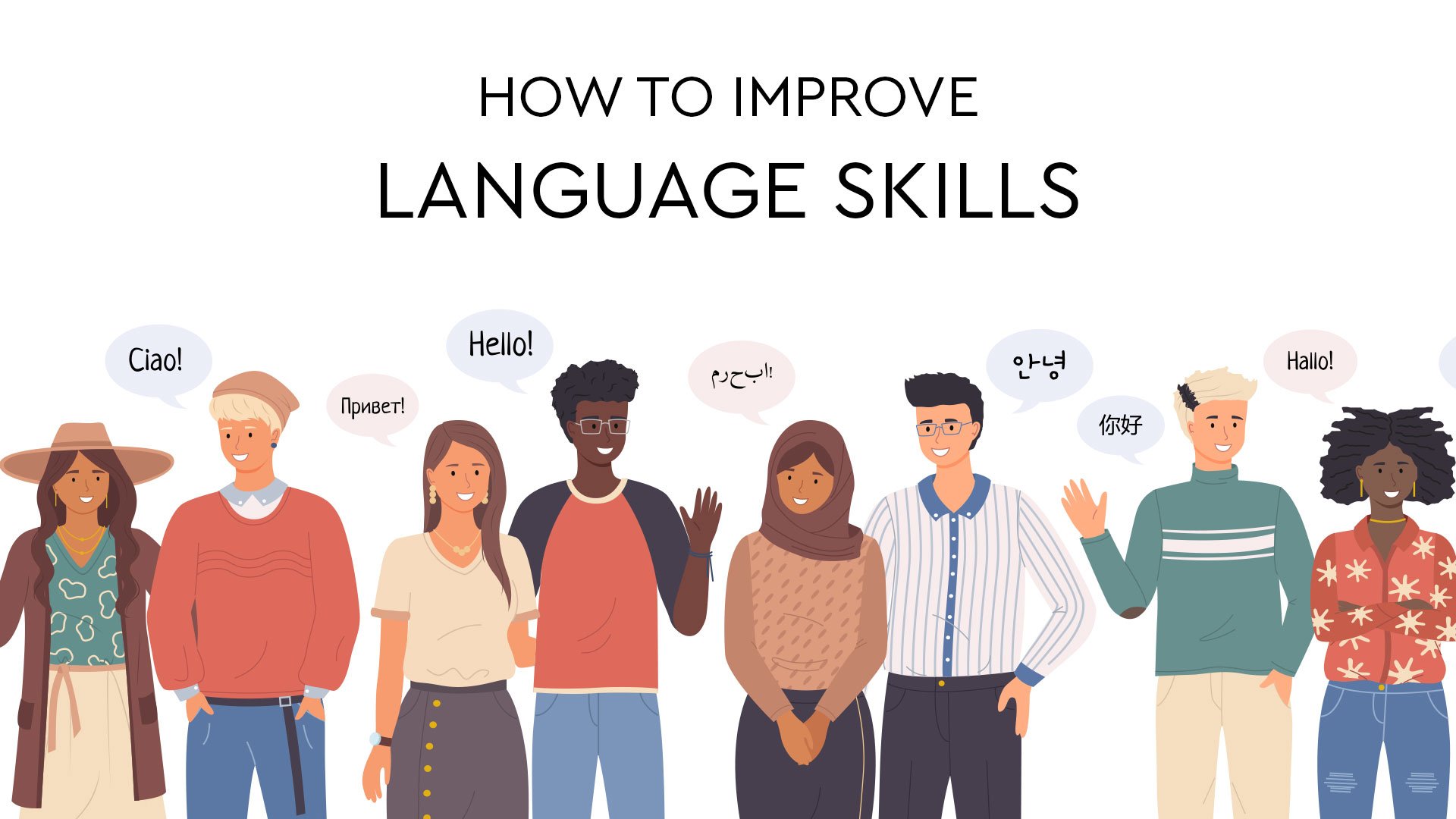
We use language every day to communicate thoughts, feelings, and ideas. When the ability to produce or comprehend language is lost, people find themselves not able to work, go to school, participate in social situations. This may also be an influence of a patient’s increase in depression and isolation.