
09 Jan What is Neuroplasticity, and why is it important?
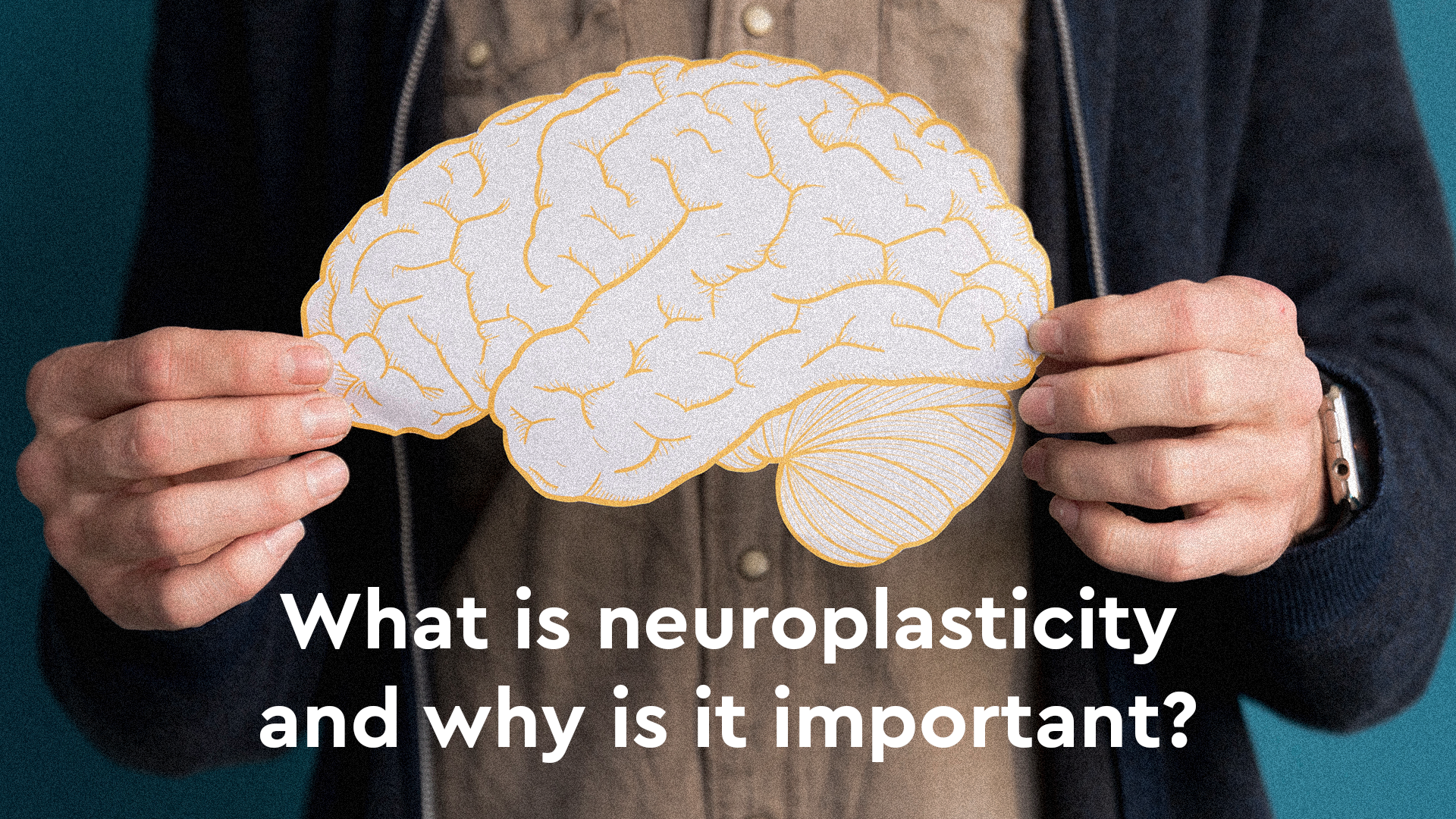
Neuroplasticity is the brain’s ability to modify connections and change its activity in response to stimuli, basically “re-wiring” itself. So, what does this mean?...


New Year’s resolutions are a great way to enter into a new mindset and achieve goals that improve your life. Why not help your clients set goals to improve their cognition this year? Setting goals...
Clinicians may want to work with clients on setting cognitive goals - these could be anything from feeling happier, to improving their attention or memory....
Although you already have a wealth of knowledge from your studies, having additional websites, software, and books for further education and support will always be helpful. With this in mind, here are a few of...
Processing speed deficits are among the most common cognitive deficits patients with stroke experience, along with deficits in attention and executive functioning. Processing speed has been found to be clinically significant, as people with stroke...
Experiencing a stroke is a major life event. A stroke may cause someone to lose cognitive and physical abilities, such as not being able to communicate or use one side of their body. Depending on...
Adults are able to utter about 120 words per minute and may make a speech error once out of every thousand words. If an adult experiences a stroke, they may develop a condition known as...
Aphasia commonly occurs after someone experiences a stroke. When a closed head injury occurs in the left hemisphere, a person may lose the ability to produce and understand language. Commonly, people think of aphasia as...
Stroke is a leading cause of disability in the United States and Canada. People who have experienced a stroke often experience cognitive complications, such as impaired memory and language abilities. Stroke rehabilitation often involves the...
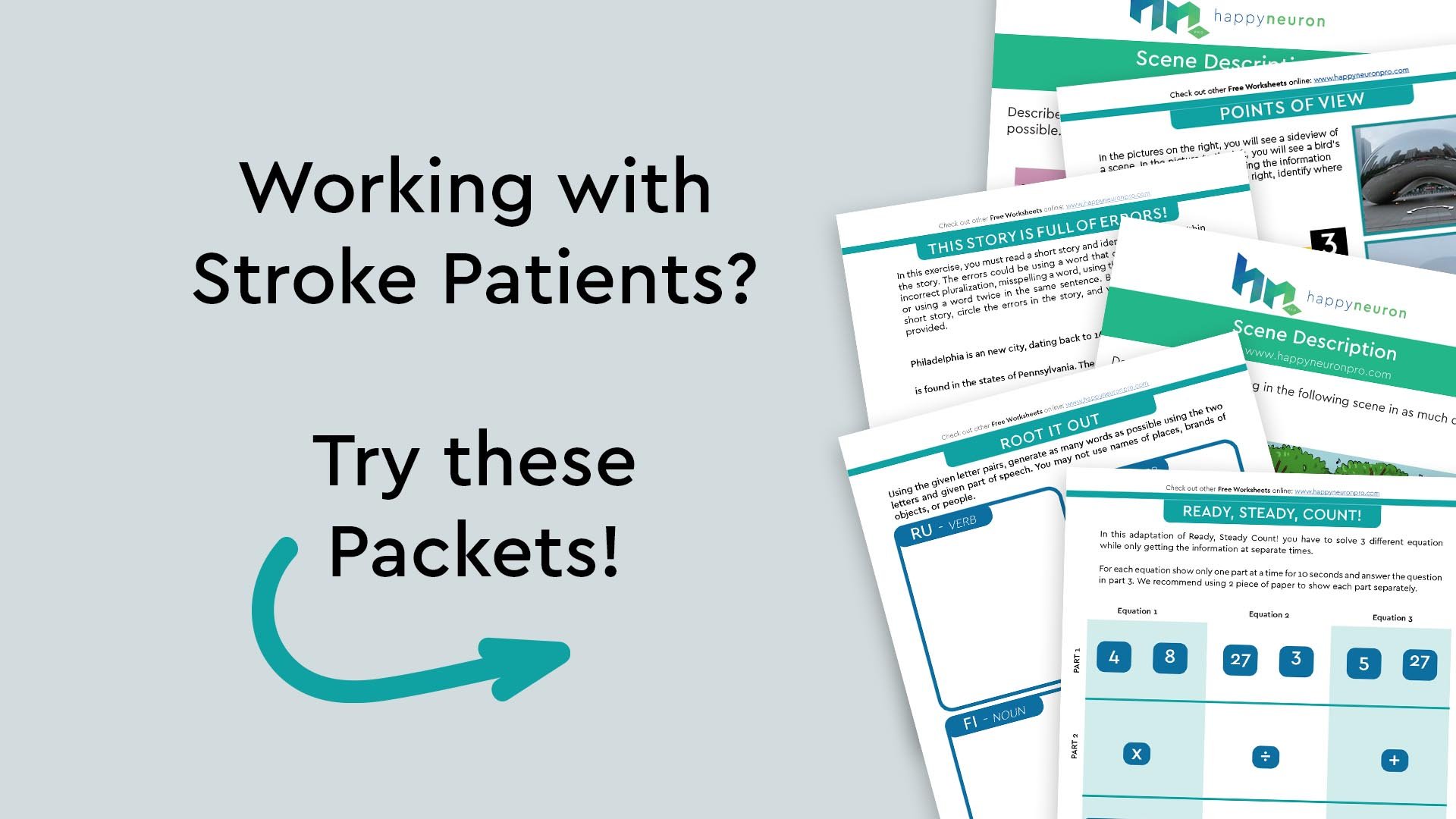
Speech-language pathologists (SLP’s) play a huge role in stroke rehabilitation. Strokes often cause aphasia. Aphasia can present as a loss of language or as having difficulty comprehending speech. SLP’s may help patients with stroke not...